Adobo: The Heartbeat of the Filipino Kitchen
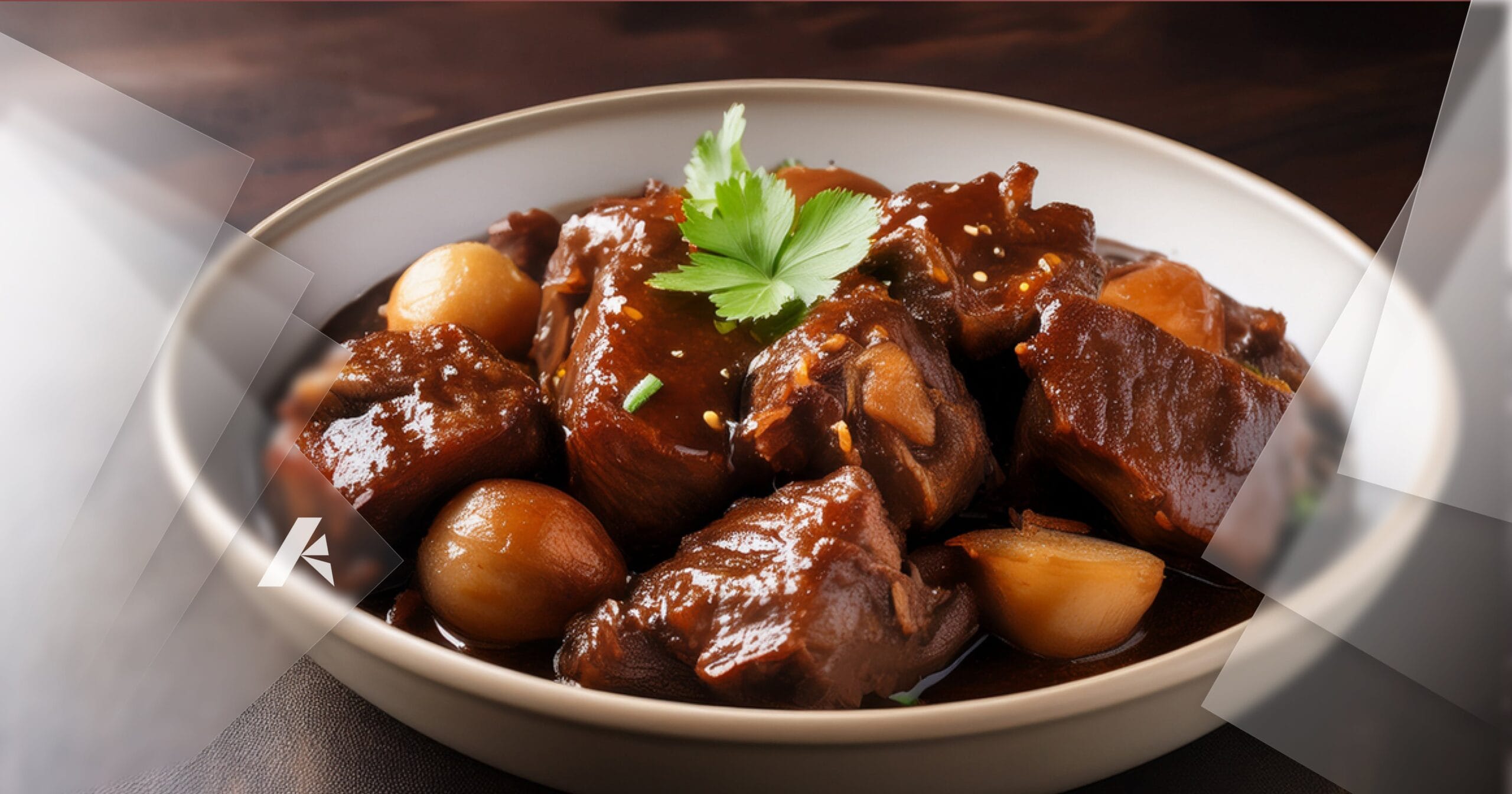
If you want to understand the Philippines, don’t look at a map look at a simmering pot of Adobo. It’s more than just a savory stew of meat braised in vinegar and soy sauce; it is a living, breathing piece of our history. It’s the dish that crosses class lines, survives long boat rides, and migrates across oceans in Tupperware containers. It changes its face depending on who is cooking, yet it never loses its soul.
The Roots: Long Before the Name
Most people assume Adobo is Spanish because of the name, but the soul of the dish is ancient and purely Southeast Asian. Long before Magellan ever sighted our shores, early Filipinos were masters of the “tropical fridge” using vinegar and salt to preserve meat in the sweltering heat.
This “proto-adobo” was a survival tactic. By simmering protein in acid with heaps of garlic and local herbs, our ancestors created a dish that didn’t just taste better with time it actually stayed safe to eat without refrigeration. It was utilitarian, resourceful, and born out of necessity.
The Spanish “Encounter”
When the Spanish arrived in 1521, they saw locals cooking meat in this vinegar-based liquid and noted the similarity to their own adobar (a marinade). They slapped the label “Adobo” on it, and the name stuck.
But make no mistake: Spanish adobo is a red, paprika-heavy marinade. Filipino Adobo is a cooking process. Over the centuries, we invited new friends into the pot soy sauce from Chinese traders, bay leaves from the galleon trade, and black peppercorns from afar. What we have today is a beautiful, salty-sour fusion that is uniquely ours.
A Map of 7,000 Flavors
There is no such thing as “The” Adobo recipe. If you ask ten Filipinos how to make it, you’ll get eleven different arguments. The dish changes with the landscape:
Adobong Puti (White Adobo): The “purist” version. No soy sauce, just salt and vinegar. This is likely what the dish tasted like centuries ago.
Adobo sa Gata: Found in Bicol, this version adds coconut milk and bird’s eye chilies for a creamy, fiery finish.
Adobong Tuyo (Dry Adobo): Cooked until the sauce evaporates and the meat fries in its own rendered fat. It’s the ultimate “baon” (travel food).
Adobo sa Dilaw: In Batangas, they use turmeric, giving the dish a bright yellow hue and an earthy, gingery depth.
Adobong Pusit: A dark, rich version made with squid and its own ink.
The Unofficial National Symbol
There’s a reason there was a massive public outcry in 2021 when a government agency suggested “standardizing” Adobo for international trade. Filipinos were insulted. You can’t standardize a mother’s intuition or a grandmother’s secret splash of pineapple juice.
Adobo is our national dish not by law, but by consensus. It represents our resilience a dish that survived wars, fed revolutionaries, and today, acts as a “scent of home” for millions of Overseas Filipino Workers (OFWs) in kitchens from Dubai to New York.
The Modern Table
Today, Adobo has gone global. It’s been featured by legends like Anthony Bourdain and reimagined by Michelin-starred chefs into everything from pasta to confit. But at its core, it remains a humble staple. It’s the dish we cook when we’re celebrating, when we’re grieving, or when we just have a few pieces of chicken and some vinegar left in the pantry.
The Soul of the Stove
To understand Adobo is to understand the Filipino people. We are adaptable, we take influences from all over the world, and we simmer them down until they become something entirely our own. It’s a story told in steam and sauce, a flavor that stays with you long after the plate is cleared.