Introduction
The Philippines is a vibrant archipelago with more than 7,000 islands, and each one has a story to tell — not only through its people and places but through its food. Filipino cuisine is a kaleidoscope of flavors shaped by centuries of indigenous traditions, colonial influences, regional diversity, and globalization. It is not just a culinary journey but also a narrative of resilience, adaptation, and identity.
This article delves deep into the 5,000-year journey of Philippine foods, exploring the key historical phases that helped shape the country’s gastronomic heritage. From prehistoric meals of ancient tribes to Spanish-influenced feasts, American-era innovations, Japanese wartime scarcity, to contemporary Filipino food fusion, this is the story of how Filipino cuisine came to be what it is today.
Chapter 1: Pre-Colonial Roots (Before 1521)
Foraging, Hunting, and Gathering
Before the arrival of foreign colonizers, the indigenous peoples of the Philippine archipelago had a rich food culture rooted in nature. Tribes lived near rivers, forests, and coastal areas, relying on:
- Root crops like yam (ube), taro (gabi), and cassava
- Wild fruits like bananas, mangoes, and guavas
- Freshwater and saltwater fish, shellfish, and seaweed
- Game meat from deer, wild boar, and birds
Early Agricultural Practices
The early Filipinos were skilled agriculturists. They grew rice using the kaingin system (slash-and-burn farming) and banaue-style rice terraces, especially in northern Luzon. Other cultivated crops included:
- Coconut
- Banana
- Sugarcane
- Vegetables like eggplants, squash, and beans
Cooking Methods
Filipinos cooked using:
- Inihaw (grilling)
- Nilaga (boiling)
- Tapa (drying/smoking)
- Kinilaw (raw fish marinated in vinegar and citrus)
Cultural Food Practices
- Meals were communal, eaten with hands (kamayan).
- Food was wrapped in banana leaves, cooked in clay pots, and seasoned with salt, ginger, and local herbs.
- Fermentation played a role in creating early versions of bagoong (fermented fish paste) and tapuy (rice wine).
Chapter 2: Spanish Influence (1521–1898)
The arrival of Ferdinand Magellan in 1521 marked the beginning of over 300 years of Spanish rule, which dramatically altered Filipino food culture.
New Ingredients Introduced
- Tomatoes, onions, garlic
- Wheat, used for bread and pastries
- Vinegar and olive oil
- Dairy products like cheese and milk
- Chili peppers, chocolate, sugar, and coffee
Colonial Culinary Techniques
The Spanish introduced:
- Sautéing (gisa)
- Baking
- Stewing and braising
Iconic Dishes Born from Spanish Influence
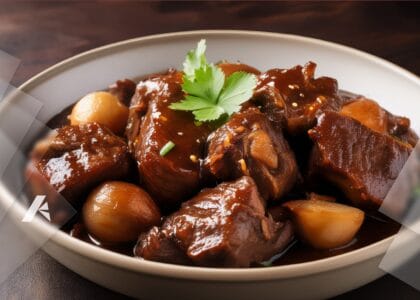
- Adobo – Though pre-colonial in concept (meat in vinegar), it took on new spices and ingredients.
- Lechon – A fiesta centerpiece of roasted pig.
- Paella – Adapted with local rice and seafood.
- Menudo, Caldereta, Mechado, and Afritada – Tomato-based meat stews.
- Arroz Caldo – Filipino rice porridge inspired by Spanish arroz caldo.
Religious and Festive Food
- The Catholic Church established by the Spanish shaped the feast culture. Dishes were served during Simbang Gabi, Fiestas, Holy Week, and Christmas.
- Bibingka, puto bumbong, kakanin, and other rice cakes became traditional fare during these times.
Chapter 3: Chinese Contributions
Long before Spanish colonization, Chinese merchants had contact with Filipinos. Their influence intensified during the Spanish era as many Chinese settled in Manila.
Popular Chinese-Derived Foods
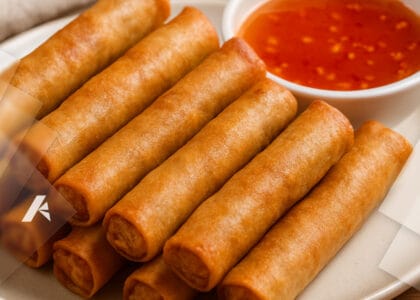
- Lumpia – Spring rolls with meat and vegetable filling
- Pancit – Noodles in various styles (pancit bihon, canton, luglug)
- Siopao and Siomai – Steamed buns and dumplings
- Tikoy – Glutinous rice cake for Chinese New Year
Cultural Integration
Chinese traders married locals, creating a mestizo culture and a fusion of flavors in Filipino kitchens — sweet, salty, umami-rich dishes rooted in harmony and balance.
Chapter 4: American Period (1898–1946)
Following the Spanish-American War, the U.S. occupied the Philippines, introducing education, industrialization, and Western food systems.
New Foods and Practices
- Canned goods like sardines and corned beef
- Refrigeration and modern cooking appliances
- Fast food concepts and the diner culture
- Bread varieties like pandesal
- Condiments like ketchup (banana ketchup invented by Maria Orosa)
- Peanut butter, cereals, and hotdogs
Impact on Filipino Eating Habits
- American breakfasts (eggs, spam, hotdogs, toast) became common.
- School lunches introduced milk, sandwiches, and chocolate drinks.
- The concept of desserts and refrigerated sweets (ice cream, jello, fruit salad) spread.
Chapter 5: Japanese Occupation (1941–1945)
World War II brought hardship, scarcity, and simplicity in food preparation.
Survival Foods
- Root crops like camote, gabi, and cassava sustained many during famine.
- Lugaw (rice porridge) became a staple.
- Soya products, dried fish, and vegetables grown in backyards became key sources of nutrition.
Legacy of Simplicity
Even after the war, these simple meals influenced the Filipino idea of comfort food, emphasizing warmth, thrift, and nourishment.
Chapter 6: Post-War and Contemporary Era (1946–Present)
Nationhood and Identity Through Food
With independence came a desire to define a Filipino identity, and food played a major role. National dishes like adobo, sinigang, and kare-kare became sources of pride.
Regional Cuisine Flourished
- Ilocano food: Pinakbet, bagnet, dinengdeng
- Kapampangan: Sisig, bringhe, tocino
- Bicolano: Laing, Bicol Express
- Visayan: Kansi, inasal, batchoy
- Muslim Mindanao: Rendang, piaparan, tiyula itum
Rise of Carinderias and Food Stalls
The common Filipino food experience expanded through:
- Turo-turo eateries
- Street food: fishballs, kwek-kwek, balut
- Sari-sari store snacks and local merienda culture
Chapter 7: Globalization and the Filipino Diaspora
Overseas Filipino Workers (OFWs)
Millions of Filipinos working abroad brought their food with them — establishing Filipino restaurants, bakeries, and markets in countries from the U.S. to the Middle East.
- Filipino food started getting global attention in the 2000s and 2010s.
- Social media platforms showcased recipes, cooking vlogs, and food hacks.
- Chefs like Claude Tayag, Margarita Fores, and Jordan Andino began reimagining Filipino food for the world stage.
Chapter 8: Modern Filipino Cuisine and Food Innovation
Contemporary Trends
- Fusion Cuisine: Sisig tacos, adobo ramen, ube cheesecake
- Sustainability and farm-to-table practices
- Food entrepreneurship through online selling (ube pandesal, baked sushi)
Restaurants and Food Tourism
The growth of Filipino restaurants such as:
- Manam, Mesa, Locavore
- Specialty dessert places like Conti’s, Goldilocks, and Razon’s
Return to Roots
Modern chefs are also revisiting heritage recipes, preserving indigenous ingredients, and promoting regional cooking methods in fine dining and casual settings alike.
Conclusion: The Soul of Filipino Food
Filipino food is more than the sum of its flavors. It is a culinary chronicle of conquest, adaptation, community, and creativity. Each dish carries a story — of families, fiestas, resilience during war, comfort in times of hardship, and joy during celebrations.
As Filipino cuisine gains global recognition, its true strength lies in its diversity and heart. Whether eaten on banana leaves in a barrio feast or served in a Michelin-starred restaurant abroad, Filipino food continues to evolve — built from centuries of history, but always ready for tomorrow.