The Pinoy travel itch is hitting different lately or maybe ever since. Whether you’re manifestation-posting about Cherry Blossoms in Osaka, gearing up for a water-soaked Songkran in Bangkok, or prepping your lightsticks for that BTS overseas concert (I see you, ARMYs. Good luck with those ticketing queues, may the odds be ever in your favor!), we are ready to fly.
But for decades, one thing has always stood between us and our “Main Character” moment at the boarding gate: the dreaded Travel Tax. It’s that annoying “extra” expense that hits you right when you’re already crying over your baggage weight and wondering if you really need three pairs of shoes for a three-day trip.
However, the tides are finally turning! On March 11, 2026, the House of Representatives took a massive leap for every budget traveler and OFW by approving House Bill No. 8464 (The Travel Tax Abolition Act of 2026) on its second reading.
Here is why this is the best news since the invention of the Piso Fare.
The Lowdown: What’s in the Bill?
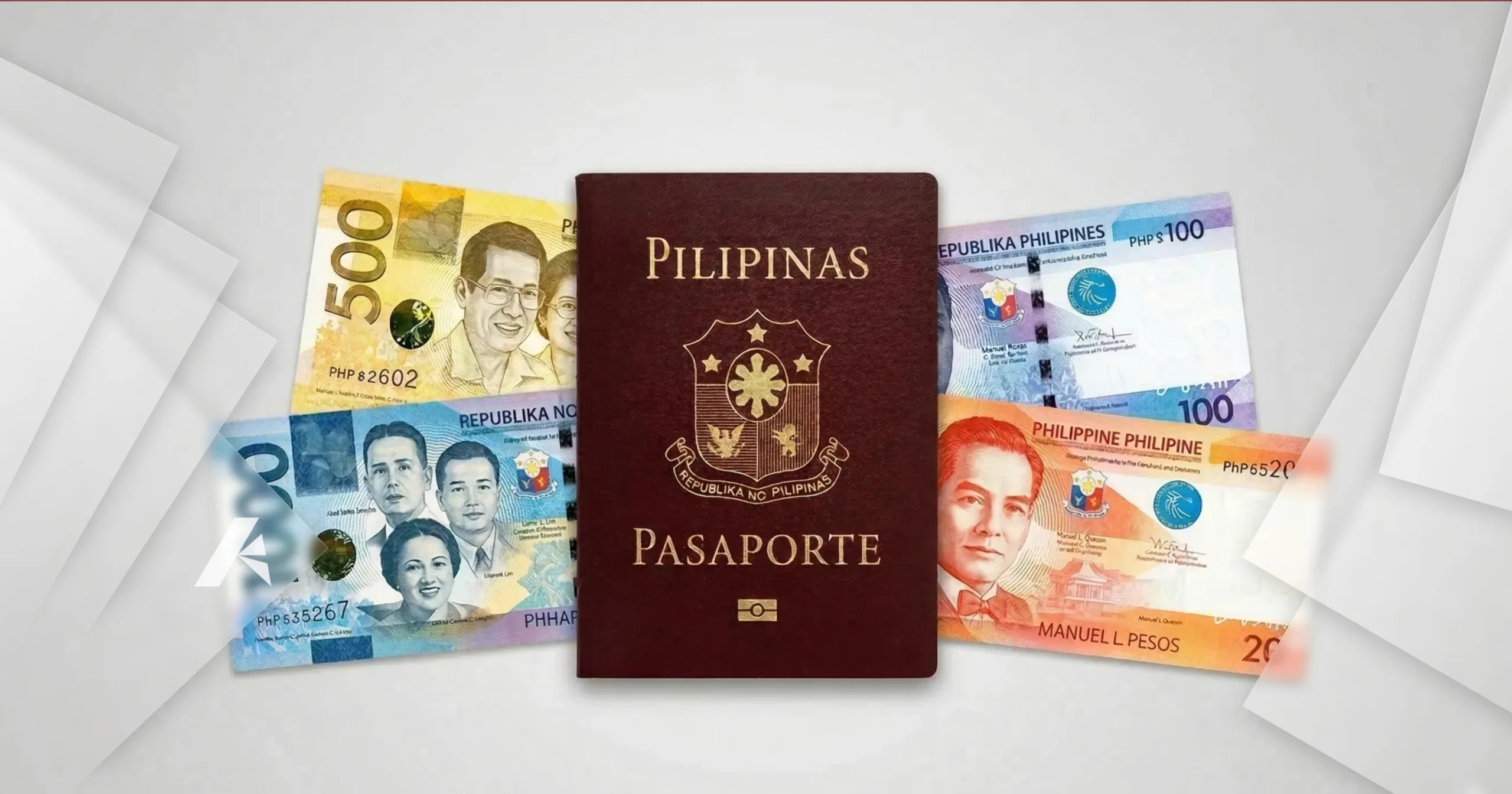
House Bill No. 8464 aims to finally repeal Presidential Decree No. 1183. A relic from 1977 that has aged about as well as a bag of chips left open in the humidity. For years, this decree has mandated that every Filipino leaving the country pay a fee ranging from ₱1,620 to ₱2,700.
Under the new proposal, this tax will be completely abolished. Instead of taking money directly from your “ramen fund,” the government will fund agencies like TIEZA and CHED through the National Budget. In short: the government pays for tourism development, so we can finally stop paying “membership fees” just to leave the country.
Freedom to Fly: Because Traveling Isn’t Just for the “Elites”
Filipinos love to travel duh. We just want to see and experience better transport system once in a while. It’s in our DNA safe to say. According to Visa, Filipino overseas leisure travel is seeing a massive resurgence, with an estimated 7.65 million Filipinos traveling abroad in 2025.
Abolishing this tax levels the playing field, making international “soul-searching” just as accessible as a weekend in El Nido.
The “Domestic vs. International” Struggle
One of our biggest frustrations is that exploring our own 7,641 islands can be a total wallet-drainer. Let’s be honest: sometimes a flight to Palawan, Bohol, or Siargao costs more than a round trip to Hong Kong!
We pay “tourist prices” for domestic flights that are often overpriced, making it feel like we’re being penalized for supporting local. Adding a ₱1,620 travel tax on top of international flights only makes the world feel smaller for the average Pinoy.
A Look Back: How Much Have We Been Paying?
The travel tax has been our silent (and unwanted) travel buddy for decades. Here’s a quick recap of the rates we’ve endured since the early 2000s:
- Economy Class: ₱1,620
- First Class: ₱2,700
- Standard Reduced (for children/OFW dependents): ₱810
- Privileged Reduced: ₱300
For a family of four flying economy, that’s ₱6,480, which is literally the price of another round-trip ticket during a seat sale! Imagine the things we could have done with that money instead of handing it over at a booth.
The “Anti-Hassle” Revolution
Beyond the money, let’s talk about the stress. If you’ve ever reached NAIA only to realize you forgot to pay your tax online, you know the “Walk of Shame” to the Travel Tax Booth.
“Wait, queueing for Check-in, then queueing for Travel Tax, then queueing for Immigration? Are we travelers or professional line-standers?”
Abolishing the tax removes a major point of friction. No more clutching a small thermal paper receipt like it’s a golden ticket. We deserve the seamless experience our ASEAN neighbors have had for years.
The Transparency Audit: Where Did Our Money Go?
Historically, 50% of the tax went to TIEZA for tourism infrastructure, 40% to CHED, and 10% to the NCCA.
While we’ve seen “some” improvements in the late 2010s, like Clark’s shiny new terminal and Cebu’s Terminal 2. Let’s be real. When you compare NAIA to Taipei’s Taoyuan or Vietnam’s Long Thanh, the “user fee” we pay doesn’t always reflect the experience. If our billions didn’t make the escalators work or the AC colder, maybe it’s time to move that funding to the national budget where it can be audited more strictly.
The Traveler’s List: The “Pasalubong” Multiplier
Once the tax is gone, that ₱1,620 stays in your pocket. In “Pinoy Traveler Math,” it’s a Pasalubong Upgrade and a tipid hack. Here’s what you can buy instead:
- Connectivity: 2-3 High-speed 5G eSims (no more hunting for free Wi-Fi!).
- Transport: About 15-20 days worth of MRT tokens in Vietnam or Taiwan. Covers your first few days of “getting lost” in a foreign city.
- Survival Gear: A high-quality neck pillow or a “buffer fund” for the inevitable Grab surge when you land back in Manila.
When is the Big Day?
Since the bill passed the second reading on March 11, 2026, it is currently on the fast track. If it clears the Senate and gets the Presidential signature, it becomes law. Usually, these things take effect 15 days after publication, meaning we could be looking at a Tax-Free Summer 2026 (fingers crossed).
A Cushion Against Rising Costs
With gas prices and inflation acting like they’re trying to reach the moon, we know airline tickets will only get pricier. Abolishing the travel tax acts as a “cushion,” effectively offsetting those pesky fuel surcharges. It ensures that even as the world gets more expensive, the Filipino dream of seeing it remains within reach.
Wait, There’s More! (The Frequently Asked Frustrations)
- 1. The “Refund” Rabbit Hole: What if I already paid? Don’t panic! HB 8464 includes a Prohibition and Refund clause. If you’ve already paid for a flight scheduled on or after the law takes effect, the collecting authority (TIEZA or the airline) is mandated to give your money back. No need to treat that ₱1,620 like a donation to the void.
- 2. The “Economy vs. Business” Debate While some versions of the bill (like Senate Bill 88) only want to abolish tax for Economy travelers, the current momentum is leaning toward a total sweep. The humor here? If you can afford to lie down in Business Class, some think you can afford to “stand up” for the budget. But hey, fair is fair, freedom to travel should be for everyone, regardless of legroom.
- 3. The “Exemption” Confusion: Who was already safe? OFWs, infants under 2, and certain Balikbayans were already exempt, but they still had to deal with the red tape of proving it. This bill doesn’t just save money; it saves us from the paperwork. No more “Exemption Certificates” just to prove you’re a hard-working Filipino.
- 4. The “eTravel App” Integration We all love (or tolerate) the eTravel QR code, but having the tax payment mandatory inside the app was another hurdle. Once this tax is gone, the eTravel process gets one step shorter. Faster QR codes means more time for duty-free window shopping!
A Final Note from Your Fellow Traveler
It’s easy to be cynical about the way things are run, but seeing this bill move forward actually gives me a tiny bit of faith. Maybe someone is finally listening to the 7.6 million of us who just want to see the world without feeling like we’re being fined for it.
We believe Filipinos should be allowed to travel as freely as we do on domestic flights. Traveling isn’t a luxury; it’s an education. Taxing every exit means the government has essentially been “gatekeeping” its people’s global perspective. If more of us see how efficient the BKK skytrain or Taipei’s MRT is, we’ll come home and demand the same for Manila. It’s time we shift the tax burden to foreigners instead, let’s protect the local traveler for once!
See you at the boarding gate, tax-free!